
Information Security vs Cyber Security: Which One Does Your Business Actually Need?
At first glance, information security vs cyber security might seem like two ways of saying the same thing, but they represent distinct approaches to protecting your business in reality.
The National Institute of Standards and Technology (NIST) recognizes them as separate disciplines.
The Bureau of Labor Statistics projects job growth of 33% for information security analysts between 2023 and 2033. This makes the profession the fifth-fastest growing occupation in the United States.
Security talent is in short supply, and the need for it far exceeds what’s available. Understanding which approach your business needs is significant.
Information security professionals protect all forms of data, while cyber security focuses on digital threats specifically.
This piece breaks down the main differences between these security measures and helps you determine which one your business requires to protect sensitive information and systems.
What is Information Security and Why It Matters
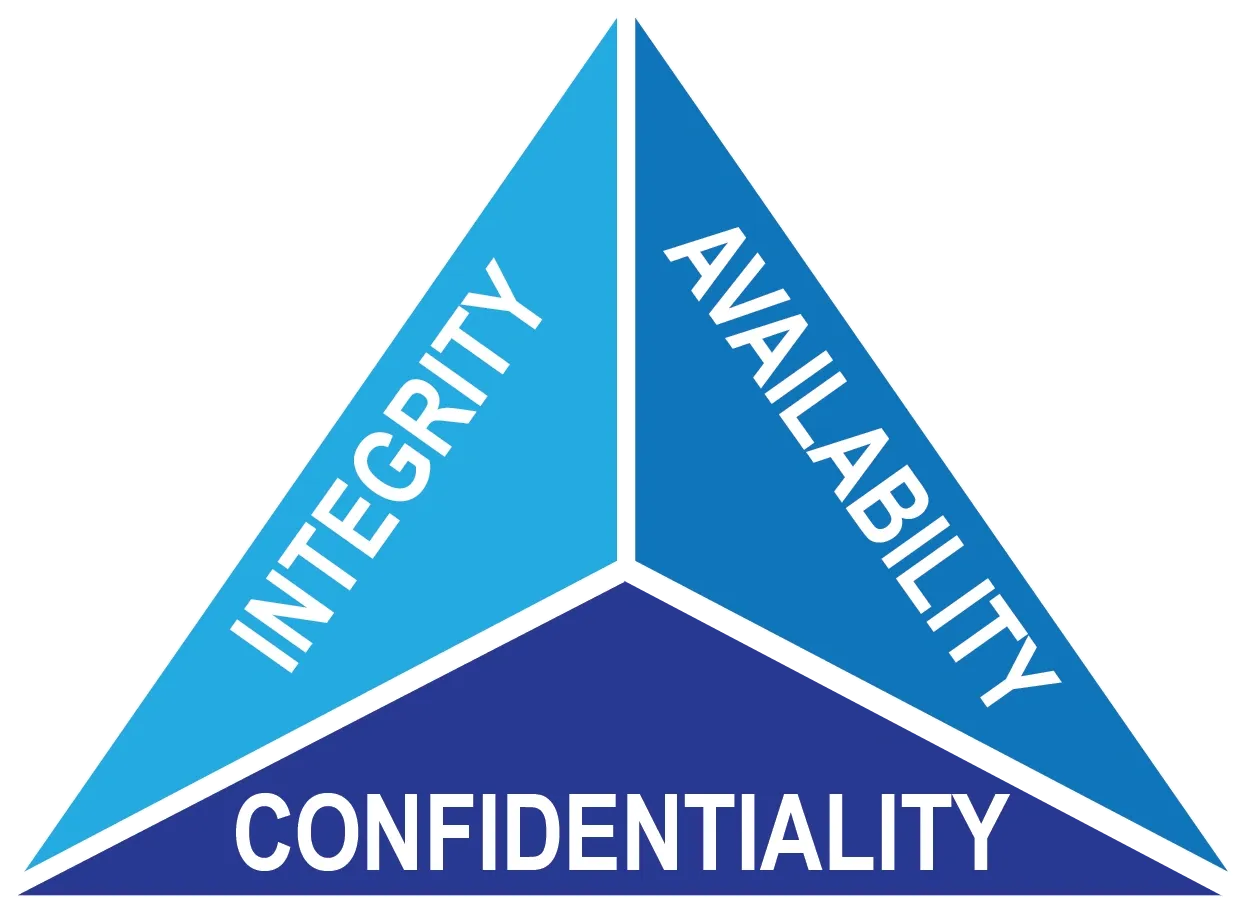
Image Source: National Institute of Standards and Technology
Information security protects all forms of information from unauthorized access, disclosure, alteration, or disruption. Cybersecurity focuses only on digital threats, but information security includes digital files, paper documents, physical media and even human speech throughout the data lifecycle.
The CIA Triad: Confidentiality, Integrity, and Availability
First suggested by NIST in 1977, the CIA triad guides organizations in choosing technologies and policies to protect information systems.
Confidentiality means parties cannot access data they’re not authorized to view. Access ranges from privileged insiders to outsiders authorized only for public information. You’ve experienced a confidentiality breach if someone gets a password to protected data.
Integrity means all information in company databases remains complete and accurate. Integrity efforts prevent tampering through unauthorized additions, alterations, or deletions. This applies whether adversaries intentionally alter data or well-intentioned users modify it in unauthorized ways.
Availability means authorized users can access information when needed. Security measures and policies should not interfere with authorized data access. This includes maintaining strong hardware and software to prevent sites from going down.
Information Security Covers All Data Forms
Information security protects assets in multiple forms: digital files and data, paper documents, physical media and human speech. This broad scope distinguishes it from cybersecurity, which handles only digital information systems.
How Information Security Professionals Protect Your Business
Security professionals develop programs containing policies, protections and plans for information assurance. They perform risk assessments auditing every aspect of company information systems, identify vulnerabilities in IT infrastructure that adversaries might exploit, recognize threats that can compromise the CIA triad and create incident response plans guiding organizations through security events.
Physical Security Measures in Information Security
Physical safeguards prevent cyber intrusions stemming from physical security compromises. Threat actors can directly install malware, steal devices containing data, or copy files onto thumb drives without these controls.
What is Cyber Security and Its Core Focus

Image Source: Dreamstime.com
Cyber security protects systems, networks, and programs from digital attacks that want to access, change, or destroy sensitive information, extort money through ransomware, or disrupt normal business processes. Information security takes a complete approach, but cyber security focuses on defending digital assets and computer systems.
Cyber Security Protects Digital Assets Only
Cyber security safeguards digital identities, cloud environments, networks, and data from unauthorized access, misuse, or disruption. This practice integrates technology, policy, and human expertise to defend critical assets in the digital world. The average global cost of a data breach reaches about $4.44 million. U.S. organizations often exceed $10 million due to higher regulatory penalties and response costs.
Common Cyber Threats Businesses Face Today
Malware represents software designed to gain unauthorized access or cause damage to computer systems. Phishing involves fraudulent emails resembling messages from reputable sources to steal sensitive data like credit card numbers and login information. It’s the most common type of cyberattack. Ransomware extorts money by blocking access to files or systems until payment is received. Social engineering tricks users into revealing sensitive information or making monetary payments.
Ransomware affected 66% of organizations in 2023, while abuse of valid credentials made up 44.7% of data breaches. IoT malware attacks increased 400% in industries of all types.
Network Security as Part of Cyber Security
Network security protects core networking infrastructure from unauthorized access, misuse, or theft. Firewalls monitor and control network traffic based on defined security rules. They act as barriers between trusted internal and untrusted external networks. VPNs encrypt connections from endpoints to networks and authenticate communication between devices.
How Security Analysts Prevent Unauthorized Access
Security analysts implement multi-factor authentication, requiring multiple proofs of identity for system access. Identity and access management solutions control who accesses critical information systems. This ensures only authorized individuals reach sensitive resources. Intrusion detection and prevention systems analyze network traffic for signs of malicious activity.
Information Security vs Cyber Security: The Key Differences
The difference between information security vs cyber security goes beyond terminology into ground application in several ways.
Scope of Protection: Digital vs All Data Types
Information security serves as an umbrella term. It covers protection of all data types, whether stored digitally, physically, or intellectually. Cyber security focuses solely on technical protections for hardware, software, and networks that store and transmit data across the internet, internal networks, and cloud services. Cyber security addresses risks like hacking, phishing, and data breaches in the digital realm. Information security tackles broader concerns. These include unauthorized access to physical records and improper handling of sensitive data.
Security Measures: Technical Controls Compared
Technical controls represent technology-based safeguards. Organizations implement them to prevent, detect, or alleviate security threats. Both fields employ encryption, firewalls, access controls, anti-malware, patch management, and logging systems. Information security extends beyond these. It includes physical measures like locked cabinets and secure offices, plus procedural controls that govern data handling.
Risk Management Approaches in Both Fields
Cyber risk management identifies, prioritizes, manages, and monitors risks to information systems through ongoing processes. Organizations frame risk by defining scope and inventory assets. They establish tolerance levels before conducting assessments. Both disciplines apply the CIA triad as their guiding principle.
Career Paths: Information Security Professionals vs Cyber Security Specialists
Information security roles include Chief Information Security Officers, compliance officers, and data privacy officers. Cyber security specialists work as ethical hackers, penetration testers, security architects, and SOC analysts. Information security analysts earn a median salary of $102,600 annually, while managerial positions reach $159,010.
When Information Systems Need Both Security Types
Organizations require both approaches since cyber security represents a subset of information security. Information security breaches can occur through mishandling data on thumb drives or leaving paper reports containing sensitive information exposed, even with robust IT cyber protections. An effective approach just needs integrated participation from IT and non-IT process owners.
Which Security Approach Does Your Business Actually Need
Choosing between information security vs cyber security starts with understanding what you protect and where vulnerabilities exist.
Assessing Your Business Data and Systems
First, inventory all assets. This includes servers, workstations and cloud services that process and store information. Vulnerability assessments identify technical weaknesses that attackers could exploit. Risk assessments review asset value, potential incident impact and gaps in current security measures.
Small Business Security Requirements
Small businesses face disproportionate targeting, with 43% of cyberattacks aimed at them. Yet only 14% prepare defenses that are adequate. Simple security practices require strong passwords and multi-factor authentication. Regular backups of critical data, employee security training and firewall protection are the foundations. Because of limited resources, protect the most sensitive data first.
Enterprise-Level Security Program Considerations
Enterprise security demands formal programs that are well-laid-out. Annual risk assessments and reliable third-party security audits are necessary. Clear information security roles must be defined, and responsibilities assigned across the organization. Strong access controls should be implemented, and sensitive data encrypted both stored and in transit.
Building a Security Team: Roles and Skills Required
Chief Information Security Officers define organizational security posture and strategy. Security Managers oversee operations and build processes. Security Engineers architect security systems. Security Analysts detect incidents, break them down and respond.
Budget Planning for Security Implementation
Organizations allocate 40% of cybersecurity budgets to software around the world. Risk-based budgeting approaches prioritize critical assets and account for regulatory requirements.
Incident Response and Ongoing Risk Management
Incident Response Plans outline actions before, during and after security events. Plans should be tested through tabletop exercises each quarter. After every incident, plans need review and updates that incorporate lessons learned.
Comparison Table
Comparison Table: Information Security vs Cyber Security
Core Differences
Attribute | Information Security | Cyber Security |
Main Focus | Protects all forms of information from unauthorized access, disclosure, use, alteration, or disruption | Protects systems, networks, and programs from digital attacks |
Scope of Protection | Umbrella term covering protection of all data types (digital, physical, or intellectual) | Focuses only on technical protections for hardware, software, and networks |
Types of Data Protected | Digital files, paper documents, physical media, and human speech | Digital assets only: digital identities, cloud environments, networks, and data |
Guiding Principle | CIA Triad (Confidentiality, Integrity, Availability) – First suggested by NIST in 1977 | CIA Triad (Confidentiality, Integrity, Availability) |
Security Measures & Controls
Attribute | Information Security | Cyber Security |
Technical Controls | Encryption, firewalls, access controls, anti-malware, patch management, logging systems | Encryption, firewalls, access controls, anti-malware, patch management, logging systems |
Additional Measures | Physical measures (locked cabinets, secure offices) and procedural controls that govern data handling | Network security (firewalls, VPNs), multi-factor authentication, intrusion detection and prevention systems |
Physical Security | Has physical safeguards to prevent cyber intrusions from physical security compromises | Not mentioned as main focus |
Threats & Risk Management
Attribute | Information Security | Cyber Security |
Common Threats | Unauthorized access to physical records, improper handling of sensitive data, data exposure through physical means | Malware, phishing, ransomware, social engineering, hacking, data breaches |
Risk Management Approach | Applies CIA triad and conducts risk assessments that audit all aspects of company information systems | Identifies, prioritizes, manages, and monitors risks to information systems through ongoing processes |
Breach Statistics | Not mentioned | Average global cost of data breach: $4.44 million (U.S. organizations often exceed $10 million); 66% of organizations affected by ransomware in 2023 |
Career Paths & Compensation
Attribute | Information Security | Cyber Security |
Professional Roles | Chief Information Security Officers, compliance officers, data privacy officers | Ethical hackers, penetration testers, security architects, SOC analysts |
Median Salary | Information security analysts: $102,600 per year; Managerial positions: $159,010 | Not mentioned separately |
Job Growth | 33% projected growth for information security analysts (2023-2033) – 5th fastest growing occupation in the U.S. | Not mentioned separately |
Business Implementation
Attribute | Information Security | Cyber Security |
Relationship | Serves as the broader umbrella discipline | Represents a subset of information security |
Small Business Needs | Essential for protecting all forms of data; 43% of cyberattacks target small businesses | Simple practices: strong passwords, multi-factor authentication, firewalls, regular backups |
Enterprise Requirements | Formal, well-laid-out programs with annual risk assessments and third-party security audits | Strong access controls, encrypted data (stored and in transit), incident response plans |
Budget Allocation | Not mentioned separately | 40% of global cybersecurity budgets allocated to software |
Key Takeaway
Consideration | Recommendation |
Do businesses need both? | Yes – Organizations require both approaches since cyber security is a subset of information security. Even with reliable IT cyber protections, information security breaches can occur through mishandling physical data or leaving paper reports exposed. |
Conclusion
The information security vs cyber security debate doesn’t require choosing one over the other. Your business needs both, since cyber security represents just one component of complete information security.
Cyber security handles your digital threats. Information security protects everything else, including physical documents and procedural safeguards.
Start by assessing your current vulnerabilities. Then build protections that address both digital and physical risks. This integrated approach will give you coverage with no gaps that leave your sensitive data exposed to threats.
FAQs
Q1. What’s the main difference between information security and cyber security? Information security protects all forms of data including digital files, paper documents, physical media, and even human speech. Cyber security focuses exclusively on protecting digital assets like systems, networks, and programs from online threats. Think of cyber security as a subset of the broader information security discipline.
Q2. Does my small business need both information security and cyber security? Yes, most businesses benefit from both approaches. Even with strong digital protections, security breaches can occur through mishandling physical documents or leaving sensitive paper reports exposed. Since 43% of cyberattacks target small businesses, implementing both digital safeguards and physical security measures provides comprehensive protection.
Q3. What is the CIA triad and why does it matter for business security? The CIA triad stands for Confidentiality, Integrity, and Availability—three core principles that guide security strategies. Confidentiality ensures only authorized parties access data, Integrity keeps information accurate and complete, and Availability ensures authorized users can access data when needed. First suggested by NIST in 1977, this framework helps organizations choose appropriate security technologies and policies.
Q4. What salary can information security professionals expect to earn? Information security analysts earn a median salary of $102,600 annually, while managerial positions reach $159,010. The field is experiencing rapid growth, with the Bureau of Labor Statistics projecting 33% job growth between 2023 and 2033, making it the fifth-fastest growing occupation in the United States.
Q5. How much does a data breach typically cost a business? The average global cost of a data breach is approximately $4.44 million. U.S. organizations often face even higher costs, frequently exceeding $10 million due to stricter regulatory penalties and higher response costs. These figures highlight the financial importance of implementing robust security measures.