
Adaptive Clothing for Women: Your Complete Guide to Comfort and Style
Adaptive clothing for women shouldn’t mean sacrificing style for functionality. Many women with limited mobility, arthritis, Parkinson’s, or multiple sclerosis face daily dressing challenges that standard fashion doesn’t address.
Modern adaptive clothing combines thoughtful design features like magnetic closures and elastic waist pants to make dressing safer, faster and more dignified. Side-entry adaptive tops add another layer of convenience. Whether you’re managing post-surgery recovery, need help with dressing, or want easier wardrobe solutions, this piece walks you through everything you need to know about adaptive clothing women can feel confident wearing every day.
What is Adaptive Clothing for Women
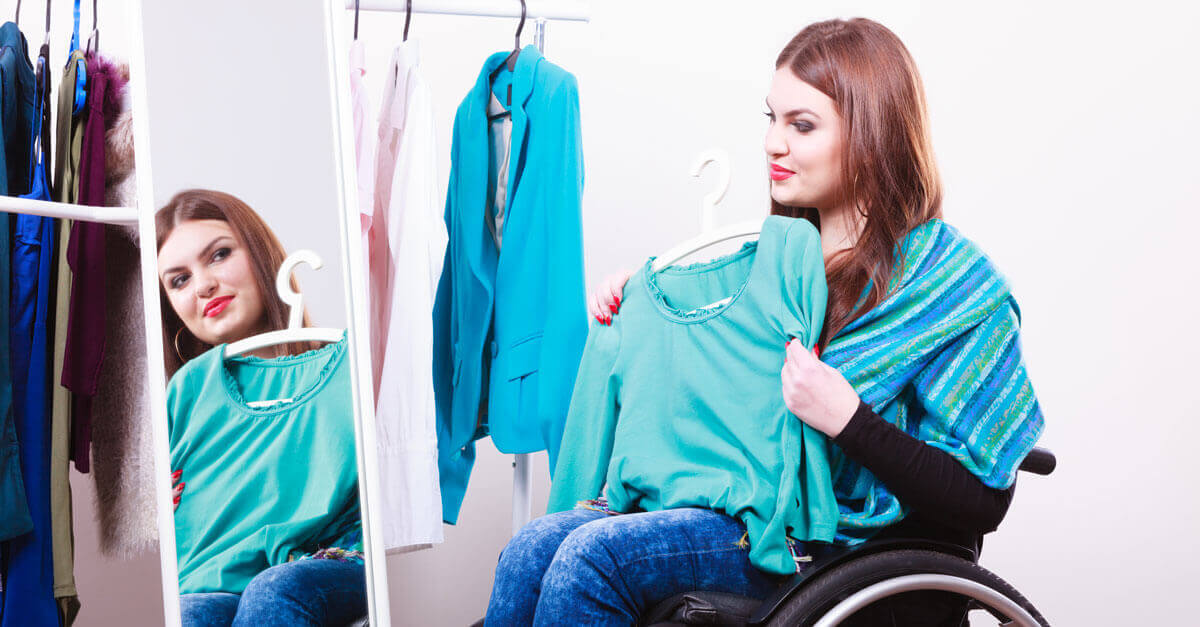
Image Source: Sunrise Medical
Clothing designed for women with disabilities, mobility limitations, or dexterity challenges goes beyond simple functionality. Adaptive clothing for women addresses the physical barriers that standard garments create while maintaining a fashionable appearance.
How Adaptive Clothing Is Different from Regular Clothing
Traditional clothing assumes full range of motion, flexible shoulders, and fingers that work reliably. Adaptive clothing women wear incorporates features that work around these limitations.
Magnetic closures replace standard buttons and snap together with minimal hand strength. These closures hide behind fabric that looks similar to traditional button-down shirts. Adaptive tops often feature front or side openings instead of requiring you to pull garments overhead. This eliminates painful arm lifting.
Adaptive pants use elastic waist designs or simple velcro fastenings rather than button-and-zipper combinations. Longer back inseams prevent shirts from riding up while seated for wheelchair users. Seams sit flat or face outward to prevent skin irritation and pressure sores. Fabrics stretch in multiple directions, and many garments include discreet openings for medical devices like catheters or ports.
Why Standard Fashion Falls Short for Many Women
Mass-produced clothing pushed bodies to conform to garments rather than adapting to individual needs. Small buttons become impossible to manage with arthritic fingers. Zippers pinch and pull. Overhead dresses cause pain when shoulder mobility is limited.
Traditional clothing demands the same physical performance every day. Bodies with conditions like multiple sclerosis or Parkinson’s experience unpredictable capabilities. A bra hook might feel microscopic on a bad hand day. Back zippers become inaccessible without assistance.
The disability community represents most important purchasing power, with an estimated spending capacity of USD 490 billion in the United States alone. Yet standard fashion continues to exclude this market through designs that prioritize esthetics over accessibility.
The Development of Adaptive Clothing Options
Adaptive clothing isn’t new. Comfort features like elastic waistbands emerged in the 1950s with new fabric technologies. Mass production dominated and standardization made everything harder for people with disabilities.
The 1980s saw renewed focus on adaptive apparel, though designs resembled medical wear rather than fashion statements. Real change came in 2014 when model Danielle Sheypuk appeared on New York Fashion Week runways in her wheelchair.
Tommy Hilfiger launched adaptive collections prioritizing both style and functionality. The market now projects growth to USD 32.12 billion by 2032, signaling a move from niche medical clothing to mainstream inclusive fashion.
Who Benefits from Adaptive Clothing
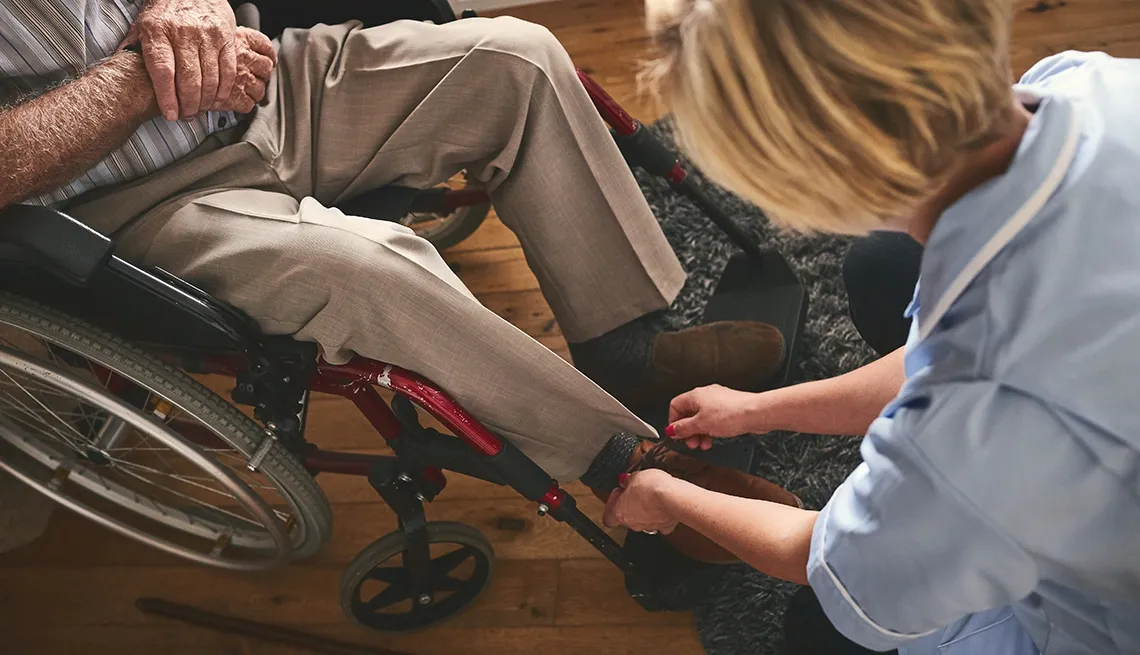
Image Source: AARP
Women with Limited Mobility and Arthritis
Arthritis affects how women interact with clothing daily. Reduced finger dexterity and weak grip strength turn simple tasks like buttoning shirts into painful struggles. Joint stiffness in hands, wrists or shoulders means traditional closures cause frustration every morning. Adaptive clothing women with arthritis choose features magnetic closures that eliminate pinching motions and elastic waist pants that skip complicated fastenings.
Living with Parkinson’s or Multiple Sclerosis
Women with Parkinson’s disease experience hand tremors, muscle rigidity and slowness of movement that make buttoning a blouse or fastening a bra very difficult. Magnetic closure tops remove that struggle. Multiple sclerosis brings fatigue, muscle weakness and tremors that complicate fine motor tasks. Heat sensitivity creates another challenge, as certain fabrics trigger symptoms. Adaptive clothing addresses these needs through easy-wear designs and temperature-regulating materials.
Post-Surgery and Stroke Recovery
Women recovering from stroke, mastectomy or shoulder surgery benefit from front-opening adaptive tops that skip overhead arm raising. Recovery periods just need clothing that accommodates limited movement. Stroke patients with one-sided weakness need garments they can manage on their own and start with the affected side first. Post-surgical needs span from knee replacements that require full-leg access to procedures needing drain pockets.
Elderly Women Maintaining Independence
Independence matters at every age. Elderly women using adaptive clothing maintain personal style while dressing on their own terms. Between 46 to 62 percent of residential care community residents need assistance dressing, yet many prefer self-sufficiency when possible.
Caregivers and Assisted Dressing Needs
Traditional clothing makes dressing someone else physically demanding and time-consuming. Family caregivers and professional aides find adaptive clothing with magnetic closures makes assisted dressing faster, safer and more dignified. The process reduces injury risk for both caregivers and those receiving care.
Types of Adaptive Clothing and Key Features
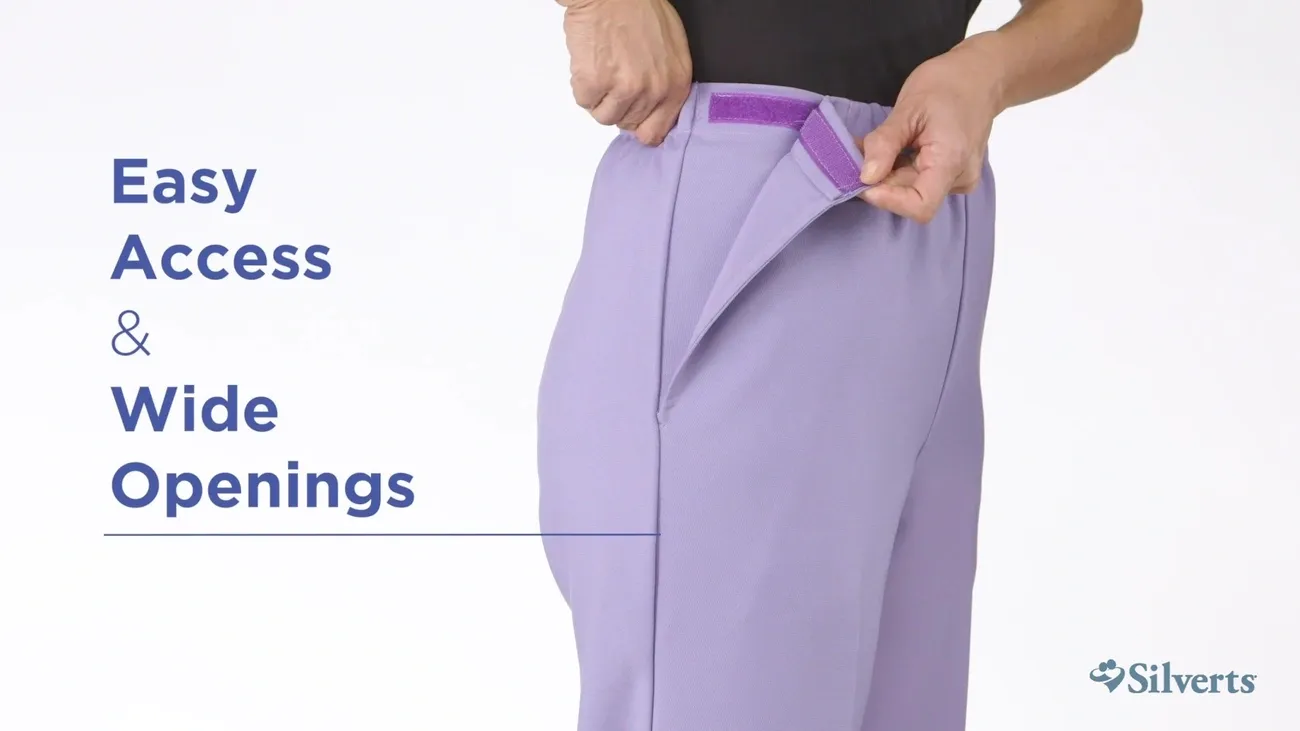
Image Source: Amazon.com
Finding the right adaptive clothing women need starts with understanding what’s available. Each garment category addresses specific dressing challenges and keeps a polished appearance.
Adaptive Tops with Magnetic Closures
Magnetic closure shirts replace traditional buttons with hidden magnets that snap together. The magnets arrange and fasten when brought together and eliminate precise finger movements. Chambray blouses and flannel button-downs come with this feature, along with performance activewear. The closures hide behind fabric that maintains the look of classic button-down styles.
Adaptive Pants with Elastic Waist and Side Entry
Elastic waist pants skip complicated button-and-zipper combinations. Side-opening designs feature full-length closures from waistband to ankle using hook-and-loop strips along each seam. You can slip pants on without bending down or removing footwear. Straight-leg cuts include higher back rises for seated comfort and coverage. Adaptive pants women in wheelchairs prefer often include tag-free interiors and flat seams to reduce pressure points.
Adaptive Footwear and Easy-Entry Shoes
Hands-free shoes use patented slip-on technology that lets you step in and out without bending or tying laces. Orthotic insoles with arch support promote proper foot arrangement. Wide toe boxes and extra depth accommodate bunions or swollen feet. Seam-free, padded interiors prevent irritation for sensitive feet.
Adaptive Intimates and Undergarments
Front-closure bras use magnetic systems that glide together and stay shut with interlocking latches. Wireless designs eliminate painful underwires. Adaptive underwear features side snaps or pull-on styles with non-binding waistbands. Period underwear now comes with side openings for secure fit and easy changes.
How to Choose the Right Adaptive Clothing
Selecting appropriate adaptive clothing women need requires understanding personal requirements first. Two main categories exist: self-dressing options for independent wear and assisted dressing designs that help caregivers dress someone else more safely.
Identifying Your Specific Dressing Challenges
Which physical tasks cause difficulty? You need to figure this out first. Do buttons become impossible with arthritic fingers? Does overhead dressing trigger shoulder pain? Identify whether you prefer magnetic closures, side zippers, snaps, or velcro fasteners. Different dexterity levels and mobility limitations are addressed by each closure type.
Fabric Quality and Comfort Considerations
Soft, breathable materials matter by a lot. Cotton and bamboo fabrics feel gentle against skin while offering the stretch you need. Machine washable and wrinkle-resistant properties ensure garments withstand repeated wear. Body changes and movement needs are accommodated by stretchy fabrics.
Balancing Style with Functionality
Hidden magnetic closures and discreet adaptive features mean nothing signals the garment as medical apparel. Adaptive tops and adaptive pants now mirror regular clothing styles. Chambray blouses and knit cardigans incorporate helpful features while maintaining fashionable appearances.
Price Points and Where to Shop
Adaptive clothing costs USD 30 for simple items like socks to USD 100 or more for specialized magnetic closures and access pants. Mainstream retailers including JCPenney and Kohl’s now carry adaptive lines. Specialty sites like Silverts and MagnaReady offer wider selections with sizes that range from XS through XL.
Conclusion
Adaptive clothing women choose today combines independence with personal style. The right adaptive features make dressing easier without compromising appearance, whether you manage arthritis, recover from surgery, or assist someone you care for.
Magnetic closures, elastic waist pants and side-entry designs reshape daily routines from frustrating struggles into dignified experiences. More options become available at better price points as this market continues to expand.
Start by identifying your specific challenges and then explore the features that address them. Your comfort and confidence matter.
FAQs
Q1. What makes adaptive clothing different from regular clothing? Adaptive clothing incorporates specialized features like magnetic closures, elastic waistbands, and side openings that eliminate the need for complex movements. Unlike traditional garments that require full range of motion and strong finger dexterity, adaptive designs work around physical limitations while maintaining a fashionable appearance with hidden closures and thoughtful construction.
Q2. Who can benefit most from wearing adaptive clothing? Women with arthritis, Parkinson’s disease, multiple sclerosis, limited mobility, or those recovering from surgery or stroke benefit significantly from adaptive clothing. Elderly women seeking to maintain independence and individuals requiring caregiver assistance also find these garments helpful, as they make dressing easier, safer, and more dignified.
Q3. What are the main types of adaptive clothing available for women? The main categories include adaptive tops with magnetic closures that replace traditional buttons, pants with elastic waists and side-entry openings, easy-entry footwear with slip-on technology, and adaptive intimates featuring front-closure bras and side-snap underwear. Each type addresses specific dressing challenges while maintaining style.
Q4. How much does adaptive clothing typically cost? Adaptive clothing prices range from approximately $30 for basic items like socks to $100 or more for specialized pieces with magnetic closures and access features. These garments are available at mainstream retailers like JCPenney, Kohl’s, and Walmart, as well as specialty sites offering wider selections in sizes from XS through XL.
Q5. How do I choose the right adaptive clothing for my needs? Start by identifying your specific dressing challenges, such as difficulty with buttons, overhead dressing, or limited mobility. Consider fabric quality, ensuring materials are soft, breathable, and machine washable. Look for designs that balance functionality with style through hidden adaptive features, and explore options within your budget at both mainstream and specialty retailers.