MOBA games blend strategy with action-packed gameplay to create engaging player experiences. Among the best MOBA shooters, Awesomenauts shows this blend perfectly through its available 3-on-3 action platformer design. The game puts emphasis on teamwork and strategy instead of complex mechanics.
Players who love hero shooters will find Farlight 84’s 15 unique heroes appealing. Critical Ops might be your game if you hate pay-to-win elements. The MOBA shooter games’ world gives players incredible variety. Quick competitive rounds are Infinity Ops’ specialty with its 5-minute battles. Brawl Stars takes it further by packing intense gameplay into 1-3 minute sessions.
This piece covers everything about top MOBA games on different platforms. You’ll learn the simple mechanics, hero abilities, and teamwork skills that set pros apart from beginners. The content helps you improve your gameplay and find the perfect MOBA shooter for your style.
Understanding MOBA Shooters
MOBA shooters are one of gaming’s most intriguing genre fusions that combine strategic depth with first-person or third-person shooting mechanics. Players who are learning about the best MOBA games today will notice this innovative hybrid category gaining popularity among competitive players. The definition of a MOBA shooter becomes clear once we take a closer look at its parent genres.
What is a MOBA shooter?
MOBA shooters blend core elements from traditional Multiplayer Online Battle Arena games with shooting mechanics you’d find in First-Person Shooters (FPS). These titles put you right behind your character’s weapons while keeping the strategic team-based gameplay that makes classic MOBAs special.
Multiplayer Online Battle Arena (MOBA) started as a subgenre of real-time strategy games. Traditional MOBAs pit two teams against each other on a structured battlefield. Each player controls a single character with unique abilities that evolve throughout the match. The main goal revolves around destroying the enemy team’s main structure.
MOBA shooters keep many of these core elements but revolutionize the experience by:
- Moving from top-down or isometric views to first or third-person viewpoints
- Making aiming and shooting mechanics just as vital as ability usage
- Keeping hero-based character selection with distinct roles and abilities
- Maintaining team-based objectives and strategic gameplay
This mix creates an experience where gunplay becomes the way MOBA-style strategy comes to life. One gaming analyst puts it this way: “Guns aren’t meant to be the stars of the show—that’s what abilities and ultimates are for”. Your primary weapon in successful MOBA shooters often does modest damage compared to your character’s special abilities.

How it is different from traditional MOBAs and FPS games
Traditional MOBAs have several distinct elements that MOBA shooters might change or remove. Classic MOBAs usually include:
- Computer-controlled “minions” or “creeps” that march along set paths
- Lane-based map structures where most combat occurs
- Resource management through item purchases and character leveling
- Top-down or isometric camera views
Pure FPS games focus on:
- First-person views where your weapon takes center stage
- Fast-paced, reflex-based combat
- Aim, movement, and positioning
- Simple strategic elements compared to MOBAs
MOBA shooters strike a balance between these genres. Research shows that both MOBA and FPS players’ attention is drawn to “competitive and fast-paced games requiring quick and precise actions“. Each genre needs different skills—”visuo-motor and audio skill in FPS games, compared to the importance of teamwork in MOBA games”.
Pacing and player engagement mark a key difference. FPS games offer “a more consistent, fast-paced experience” with frequent action throughout a match. Traditional MOBAs might feel slower as players focus on farming resources and positioning, with intense action happening during team fights.
MOBA shooters create unique gameplay patterns through their hybrid nature. Traditional MOBAs “matches emphasize team coordination, tactical choices, and real-time combat”, and MOBA shooters keep this focus. They turn these elements into a more immediate, visceral shooting experience.
Some games showcase this fusion perfectly. To name just one example, see certain titles that feature “Fortnite-like controls and the opportunities to nail skill shots in a 3D space” while keeping MOBA fundamentals. This combination makes MOBA mechanics available to players who might find top-down views or click-to-move controls challenging.
MOBA shooters often simplify certain elements. Many remove “shop, skill trees, minor objectives, minions” found in traditional MOBAs. They focus on hero abilities and team objectives instead. This creates an action-packed experience without losing the strategic depth that makes MOBAs engaging.
This genre fusion helps explain why the best MOBA game experiences now range from traditional isometric strategy games to immersive shooter hybrids. Each title balances strategic depth and moment-to-moment action differently, creating unique gameplay that appeals to various player priorities.
Choosing the Right Game for You
Your perfect MOBA experience largely depends on your platform choice and how you like to play. Players can choose from many options on PC, console, and mobile devices. The right game for you starts with knowing what’s out there.
Top MOBA shooters on PC, console, and mobile
PC remains the go-to platform for traditional MOBAs and MOBA shooters. Players have the most high-quality titles to choose from here. League of Legends is one of the most balanced and available MOBAs that draws hundreds of millions of unique players every month. Dota 2 offers deeper strategic mechanics for players who want more complexity, though it’s nowhere near as easy to learn.
Deadlock, Valve’s newer game, takes an interesting hybrid approach. Though it has guns, we mainly focused on abilities rather than shooting – some even call it an “anti-shooter” where guns do modest damage. This 6v6 game mixes MOBA elements like creeps, leveling, and lanes with third-person shooting mechanics.
Console players have fewer choices. SMITE leads the console MOBA scene and runs on both PlayStation and Xbox platforms. This third-person MOBA lets you control gods from various mythologies. Players who find traditional top-down views challenging will feel more at home here. Paladins gives console players another solid option that blends shooter elements with collectible card systems for character customization.
Mobile games include some of the world’s most played MOBAs. Mobile Legends: Bang Bang topped all mobile MOBAs with over 7.6 million downloads in December 2024. The game offers quick matchmaking and battles that work great on touchscreens. Pokémon Unite brings Nintendo’s beloved creatures into a MOBA format with a unique scoring system instead of destroying bases. League of Legends: Wild Rift offers streamlined 30-minute mobile matches compared to its PC version.
How to match your playstyle with the right game
The best MOBA for you comes down to your gaming priorities and strengths. Here’s what you should think about:
Mechanical skill requirements vary a lot between games. If your aim “fucking sucks” (as one player candidly put it), traditional MOBAs might work better since they focus on strategy over shooting accuracy. MOBA shooters like Deadlock could be great if you’re already good at shooting games.
Time commitment makes a big difference too. Traditional MOBAs need longer match times, usually 30-45 minutes per game. Mobile games like Wild Rift keep things shorter at 15-20 minutes. Your gaming schedule should help guide this choice.
Role preferences can point you toward the right game. MOBAs of all types feature distinct character roles like carry, support, tank, and initiator. Think about what appeals to you:
- Love dealing damage? Try carry or damage dealer roles
- Want to protect teammates? Support or tank positions might be your thing
- Like variety? Pick games with bigger hero rosters
Learning curves are different from game to game. Dota 2 challenges players with its mechanical depth, while Heroes of the Storm makes team play more available. Starting with an easier title helps build basic skills before moving to tougher games.
Platform choice matters too. PC gives you the most options, but mobile games pack surprising depth. Many mobile MOBAs now offer full character customization, competitive depth, and strong communities just like their PC counterparts.
Getting Started as a Beginner
Getting started with your first MOBA shooter can feel daunting. The complex interfaces, new terminology, and ever-changing gameplay might seem too much. You need to learn these simple elements to progress from a beginner to a pro. Here’s what you should know about playing the best MOBA games today.
Basic controls and UI elements
The user interface in MOBA games has several key parts you’ll need to understand. Most MOBA shooters have a game screen split into functional blocks that serve specific purposes during play.
The primary UI elements you’ll see include:
- Skill Panel – Displays your character’s abilities and cooldowns
- Hero Panel – Shows health bars, mana/energy, and level indicators
- Inventory Panel – Contains items and power-ups you’ve acquired
- Mini-map – Provides strategic overview of the battlefield
- Timer/Score Display – Shows match time and team score information
Learning these elements is a vital part of the game since they give you key information during intense battles. Your hero panel shows several bars with your health, mana, and level progress, plus your character portrait.
MOBA games give you different ways to use your character’s abilities:
Quick cast – Press and release an assigned ability key to cast it where your cursor points. This method gives you accuracy over speed.
Auto cast – Press the ability key to target the nearest enemy. This option gives you speed over precision and works great for new players.
Manual cast – Press the ability key, aim with your mouse, then click to use the ability. This method balances control and precision.
New players should start with auto cast until they know their character’s abilities well. You can switch to quick or manual casting as you improve.
Different games use different movement controls. Classic MOBAs use click-to-move systems, while MOBA shooters often use WASD keyboard movement or controller inputs. Mobile versions usually have virtual joysticks for 360-degree movement.
Understanding maps, objectives, and game flow
A MOBA battlefield has three main lanes – top, middle, and bottom lanes (“top,” “mid,” and “bot” in player speak). These lanes connect opposing bases and have towers defending them.
The “jungle” sits between these lanes with neutral monsters that give various benefits when killed. New players should master lane positioning before exploring the jungle.
Your base creates non-player characters called “minions” or “creeps” that move down these lanes to fight enemy forces. Defeating these units gives you gold and experience to make your character stronger during matches.
MOBA games follow this common pattern:
- Early game – Kill minions (“farming”) to get gold and experience
- Mid game – Fight for objectives and join team battles
- Late game – Work with your team to push lanes and destroy the enemy base
Staying alive matters more than getting kills. Players should return to base to heal rather than risk giving the enemy team a kill.
Each game has different map objectives, but they usually include strong neutral monsters or control points that give big advantages. Some games let you defeat special monsters to get buffs or powerful allies that help push lanes.
Maps have unique layouts that affect strategy. Learning your game’s specific objectives will make you a better player. Many new players chase kills instead of focusing on objectives.
Start by learning one lane and role well before trying others. Soon the complex UI will feel natural, and you can focus on making strategic choices instead of thinking about controls.
Learning Hero Roles and Abilities
Character selection shapes your gameplay experience and team contribution in MOBA shooters. The best moba games have diverse rosters of heroes. Each hero comes with unique abilities that fulfill specific roles within a team. Learning these roles goes beyond gameplay mechanics – it helps you find your place in the tactical framework that makes these games so engaging.
Types of heroes: damage, tank, support
Hero shooters organize characters into three fundamental roles that serve distinct functions in team compositions:
Damage Dealers excel at eliminating enemy players. These heroes pack strong offensive capabilities but tend to be less durable. You’ll find several subtypes in this category:
- Assassins excel at quickly taking down vulnerable targets with high mobility and burst damage potential
- Marksmen deliver consistent ranged damage but have limited escape options
- Mages control areas with their abilities and crowd control, usually through magic-based attacks
Tanks lead the charge as frontline defenders and initiators for their teams. They absorb enemy damage and create openings for teammates. A good tank usually has:
- Large health pools and damage resistance
- Crowd control abilities that disrupt enemy positions
- Tools to start team fights when conditions are favorable
Support heroes round out the team by making allies stronger. Unlike traditional shooters where everyone focuses on eliminations, support characters in MOBA shooters make use of team effectiveness. They typically bring:
- Abilities that heal allies
- Protective shields or damage reduction buffs
- Utility skills that control battlefield space
These roles work together naturally – tanks create space, damage dealers use that space, and supports help both do their jobs better. MOBA heroes stand out from purely class-based shooters because each one offers a unique gameplay experience, even within the same role.
How to pick your first hero
Your first character choice in a hero shooter or moba game can really impact how quickly you learn. We focused on these key factors:
Your natural playstyle from other games matters most. Tank heroes like Abrams might be perfect if you love frontline action and making big plays. Characters like Dynamo could match your priorities better if you prefer strategic positioning and team support.
The mechanical complexity comes next. Moba games offer heroes with different skill requirements – some need precise aim or complex ability combinations, while others are more straightforward. New players should start with heroes that are “excellent for players having their first experience”.
Team composition needs attention too. Balanced teams perform better, even at beginner levels. Learning one hero from each major role gives you flexibility in team selection.
Each game offers specific accessibility features. Many titles rate hero difficulty or suggest beginner-friendly options.
Practice modes and AI opponents let you learn ability combinations and timing without pressure. This approach works better than jumping straight into competitive play.
Note that mastery takes dedication. MOBA shooters’ distinctive hero abilities need focused practice. Experienced players suggest sticking to 2-3 heroes at first instead of switching constantly.
The right hero combines fun with effectiveness – you’ll play better with characters that match your natural style.
Improving Your Gameplay Skills
Players who know gameplay fundamentals in MOBA games stand out from those who just play casually. Even players with great mechanical skills struggle when they don’t understand these core concepts. Here’s a look at the skills that will raise your game in any hero shooter.
Positioning and map awareness
Good positioning remains one of the most underrated skills in MOBA shooters. Players should check their minimap every few seconds to spot enemy movements and dangers before they become real threats. Many pro players look at their minimap as often as every 3-5 seconds. This helps them build a mental picture of the battlefield that shapes their decisions.
Pro players break down map awareness into four main types:
- Objective awareness – knowing key areas that affect the game’s outcome
- Enemy awareness – keeping track of where opponents are to predict attacks
- Ally awareness – watching teammates’ positions and health
- Jungle awareness – tracking neutral monster spawns and possible gank routes
Bad positioning often results in needless deaths from overextension. This happens when players move too far forward without vision or team support. One coaching guide points out that “if you scan the minimap and there are only 3 red dots, something should go off in your mind that tells you a gank is incoming”.
You can improve your positioning by:
- Setting up wards in key spots to expand vision
- Learning common jungle paths and river bushes
- Taking fights from spots where you have the upper hand
Running away beats dying almost every time. Looking around before jumping into fights prevents unnecessary risks and creates chances to counter-attack.

Timing your abilities and cooldowns
Timing is “the most important single thing new players need to learn in lane-pushing games”. Most losses come down to timing issues, even when players don’t realize it. Knowing when to use abilities and spot openings helps distinguish skilled players from beginners.
Managing cooldowns works best when you:
Start by learning your abilities’ cooldown timers. Base cooldowns and any reductions from items or runes give you vital information to plan your fights.
Save your most powerful abilities for big moments. Don’t waste them just because they’re ready.
Timing becomes more critical at higher levels of play. During competitive matches, “backing for a major item could cost a team dragon; an unsuccessful gank could cost a tower”. The best players sync their abilities with teammates to make the biggest impact at crucial moments.
Time works just like gold and experience as a resource. Smart players make sure they have health, mana, and ultimates ready when objectives spawn.
Practicing aim and movement
MOBA shooters demand strong mechanical skills along with strategic thinking. Your game impact depends on how well you can land your shots, unlike traditional MOBAs.
Better aim comes from:
Finding what makes you miss shots. You might struggle with moving targets, reaction speed, or precision. Use aim trainers to work on these specific areas.
Getting your mouse settings right matters a lot. Your sensitivity should let you turn quickly while staying accurate enough to hit targets.
Keeping your crosshair at head level helps you land better shots. This cuts down the distance between your aim and targets.
Master movement by mixing up jumps, crouches, and slides to dodge shots better. Use walls and terrain to your advantage for better positions.
A good warm-up routine makes a difference. Take 10-15 minutes in training mode before competitive matches to get your mind and muscles ready.
Teamwork and Communication
Communication is the life-blood of success in even the best MOBA games and often decides between victory and defeat. Good teamwork doesn’t just happen—players need to coordinate and share information.
Using voice and ping systems effectively
Voice chat remains the main way teams communicate in hero shooters, letting players coordinate immediately during intense battles. But many players avoid voice chat because of previous negative experiences or discomfort when talking to strangers.
Modern MOBA shooters now have robust ping systems that work just as well as voice communication. Players can mark locations, enemies, items, and objectives without saying a word through these context-sensitive pings. The ping system has several options:
- Danger alerts for potential threats
- Retreat signals to fall back
- “On the way” notifications for incoming allies
- Missing enemy warnings
- Target markers for focusing attacks
Advanced ping systems add contextual voice lines automatically, which makes communication feel smooth and natural. This helps everyone, especially players who might face harassment just because they speak up.
Players in top MOBA games should use the ping system ahead of fights rather than during them. This helps teammates understand plans and prevents overextension that could cost objectives.
Understanding team composition and synergy
Team composition in MOBA games centers on balanced roles and responsibilities. A well-laid-out team needs damage dealers, tanks, and supports to handle all tasks.
Teams also need to think over hero synergy—how different characters’ abilities work together. Game designers split synergy into two types:
- Natural synergy: Abilities that complement each other naturally, which allows creative combinations and flexible strategies
- Forced synergy: Abilities with specific, limited interactions that help new players but offer less flexibility
Teams that understand synergy can pull off powerful combinations and counter enemy strategies. Good synergy lets teams beat opponents with better individual skills through coordinated play.
Teams should talk about their composition before the game starts. You can substantially impact match outcomes by suggesting heroes that create a balanced team. Teams that skip this step might lose the game during hero selection due to poor composition.
A team becomes a powerful unit when it balances roles, understands synergies, and communicates clearly. This helps them win against opponents with superior mechanical skills.
Climbing the Ranks and Playing Competitively
MOBA shooters use ranked systems that give players clear goals and recognition. The system matches them with opponents of similar skill levels. Players who understand these systems can better direct their competitive experience through the best MOBA games.
How ranked matchmaking works
Top MOBA games share common principles in their ranking systems despite some variations. Mobile Legends’ rank system uses stars – players earn a star for winning and lose one for defeat. Each rank needs different star counts. A Warrior rank needs 3 stars per division. Elite and Master ranks ask for 4 stars. Grandmaster, Epic, and Legend ranks just need 5 stars per division.
The games reward good performance with extra bonuses. Mobile Legends gives players star protection points that save them from losing stars after defeats. Star-raising points come from consistent wins. Players earn these points faster by getting MVP status or first blood.
Time spent playing makes a big difference in climbing ranks. Master rank is achievable within 1-3 months for seasoned players. New players who reach Diamond from Bronze in a year have done something impressive. These timeframes help measure and set realistic competitive goals.
Tips for solo queue vs. team play
Solo queue brings its own set of challenges compared to team play. Here’s what works best:
Strong damage dealers or hypercarries are your best picks for solo queue. Heroes with high individual impact give you more control over the game’s outcome unless you play with a trusted team.
Your mindset matters too. Some games you just can’t win. Spotting these situations early saves mental energy and stops tilt from setting in. A break after 2-3 losses helps avoid performance slumps.
Good communication helps even without familiar teammates. Tell your role preferences during hero selection and stay flexible to fill team needs. The ping system works great to mark enemies and share plans without voice chat.
A reliable team gives you the best chance to climb ranks steadily. Team up with strong players from your matches. Playing together builds chemistry that solo queue can’t match.
Avoiding Common Mistakes
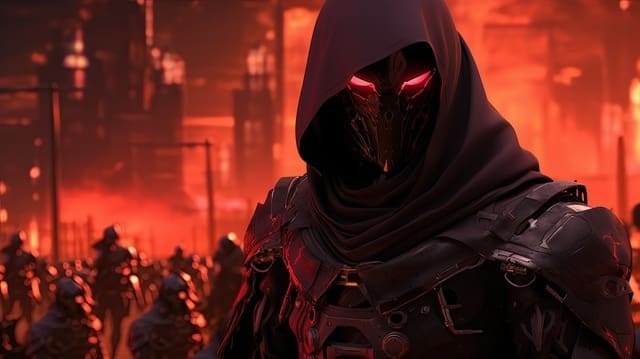
Best moba games cannot shield players from their own worst tendencies. My coaching experience with new players reveals two critical mistakes that can derail promising gameplay.
Overextending and chasing kills
Players push beyond safe territory without adequate vision or team support, which leads to overextending. You might be too far from your defensive structures without knowing where your enemies are. This positioning error becomes fatal when enemies join forces against your isolated position.
Hero shooters make kill-chasing the most tempting mistake. Players often abandon strategic positions or objectives because they want to eliminate opponents. The enemy team might set up an ambush when you chase their teammates.
One experienced player points out that “Nothing will prevent that, the more you dive into a game, the more you will be able to see the small nuances that are possible”. These nuances help you spot when a retreating enemy acts as bait.
Ignoring objectives and team fights
Moba shooters focus on destroying the enemy base rather than racking up kills. Players should know that “the primary objective of a MOBA isn’t just to get as many kills as possible. It’s to destroy your enemy’s towers on each lane and then destroy their base“.
Map objectives create massive advantages. Something happens on the map every two to three minutes that demands team response. Teams face strategic choices: solo experience gain, objective control, mercenary recruitment, or coordinated pushes.
“No single hero is supposed to be powerful enough to win the game without team support“. Team fights around objectives shape match outcomes. Individual skill matters, but coordinated teamwork remains the life-blood of success in all top moba games.
Conclusion
MOBA shooters stand as one of gaming’s most rewarding yet challenging genres that blend strategic depth with ever-changing action. This piece has covered everything from simple mechanics to advanced competitive strategies that set casual players apart from professionals.
Players rarely succeed through mechanical skill alone. Success comes from knowing your hero’s strengths, getting positioning right, and working well with teammates. The experience from rookie to pro takes countless matches. Each game teaches something valuable about timing, map awareness, and objective control.
Every player starts as a beginner. Even pros once had trouble with simple concepts like lane positioning and ability timing. Being patient with yourself helps avoid frustration as your skills grow steadily.
The right game makes a huge difference. PC titles with complex mechanics or mobile games with simplified gameplay – there’s a perfect MOBA shooter for your playstyle and priorities.
Team composition and communication shape match outcomes more than individual brilliance. Good use of ping systems and understanding hero synergies will raise your gameplay beyond pure mechanical skill.
This piece aims to guide you through the exciting world of MOBA shooters. Strategic depth combined with shooting mechanics creates something special – challenging, rewarding, and always engaging.
Start by getting really good with one hero before trying others. Build strong fundamentals before advanced techniques. The key is to enjoy getting better rather than just chasing ranks.
The battlefield awaits, hero. See you in the arena!
FAQs
Q1. What makes MOBA shooters different from traditional MOBAs?
MOBA shooters blend elements of Multiplayer Online Battle Arena games with first-person or third-person shooting mechanics. They retain strategic team-based gameplay but emphasize aiming and shooting skills alongside ability usage.
Q2. How do I choose the right MOBA shooter for my playstyle?
Consider factors like mechanical skill requirements, time commitment, and your preferred role (damage, tank, support). Start with more accessible titles if you’re new to the genre, and choose games that match your platform preferences and available gaming time.
Q3. What are the key UI elements I should focus on as a beginner?
Pay attention to the skill panel (showing abilities and cooldowns), hero panel (health/mana bars), mini-map, and timer/score display. Familiarizing yourself with these elements is crucial for making informed decisions during matches.
Q4. How can I improve my positioning and map awareness?
Regularly check the minimap every few seconds to track enemy movements and potential threats. Understand common jungle paths and place wards in strategic locations. Fight from favorable positions and always be ready to retreat if necessary.
Q5. What’s the most effective way to communicate with teammates?
Use the game’s ping system to mark locations, enemies, and objectives without needing voice chat. Learn to use context-sensitive pings effectively to signal danger, request assistance, or coordinate attacks. Clear communication is key to successful teamwork in MOBA shooters.